Fabrication & Design

3D Printing

Additive manufacturing support from idea to print-ready parts.

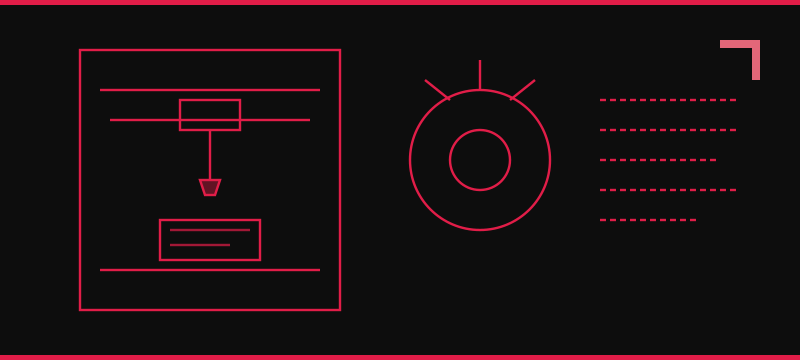
3D printer gantry with filament spool and layer preview

Why it matters

3D printing rewards designs that respect process, orientation, and material limits. Ignoring those details wastes time and filament — and weakens parts.

We help you design and prepare parts that print reliably and serve their intended function.

3D printer gantry with filament spool and layer preview
Print-ready design — orientation, supports, and process

Our approach

Additive manufacturing support from prototype parts to production-minded design.

1

Function-first design

Clarify loads, fit, finish, and environment before modeling for print.

2

Process-aware geometry

Account for overhangs, wall thickness, and orientation.

3

Material guidance

Match filament or resin choices to mechanical and thermal needs.

4

Iterate quickly

Prototype, measure, adjust — especially for fit-critical parts.

5

Documentation

Notes on print settings and post-processing when they matter.

Offerings

Representative ways we can help. Exact scope is defined with you for each engagement.

Print-oriented design

CAD work that anticipates additive manufacturing constraints.

Prototype parts

Support for functional prototypes and form/fit checks.

Design for production prints

Improvements when you need more consistent, repeatable results.

File prep guidance

Orientation, supports strategy, and slice considerations.

Standards we design to

Additive parts succeed when material choice, terminology, and QA are deliberate — and when the shop stays safe. We work from material datasheets, ISO/ASTM additive vocabulary, dimensional checks, and practical shop ventilation/fire habits.

Material datasheets & SDS

Each filament or resin has mechanical limits, temperature ratings, and handling hazards documented by the supplier.

How we follow it: We pick materials against the duty cycle you need, keep SDS available in the shop, and call out post-cure or annealing steps when they affect strength.

ISO/ASTM 52900 terminology

The shared vocabulary for additive manufacturing processes (FFF, vat photopolymerization, powder bed, etc.) so buyers and builders mean the same thing.

How we follow it: We specify process, material, and orientation clearly so quotes and QA refer to the same part definition.

Dimensional tolerance & QA of prints

Printed parts vary with orientation, shrinkage, and machine calibration — tolerance is a process, not a hope.

How we follow it: We agree critical dimensions up front, measure first articles, and note which features need machining or inserts after print.

Fire & ventilation shop practices

Heaters, fine particles, and some resins require ventilation, filtration, and basic fire readiness.

How we follow it: Our print workflows assume adequate extraction, safe storage of materials, and housekeeping that equipment manuals already require.
Need print-ready parts or design help?

Describe the part and use case — we can discuss design-for-print and prep.

Get a quote