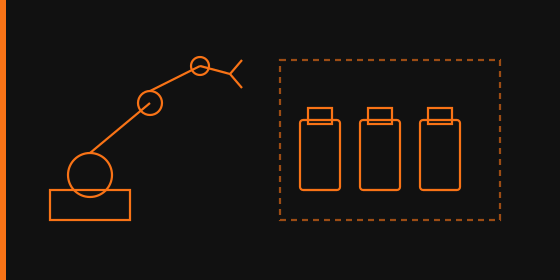
Pharma and life-science robotics sit under heavy documentation and change-control expectations. We consult in a GAMP- and GMP-aware way — helping you ask the right validation questions without claiming we certify or register your systems.
GAMP 5 mindset
GAMP 5 is widely used guidance for computerized systems in regulated life sciences — risk-based validation, supplier assessment, and lifecycle documentation.
How we follow it: We help frame robotics and control software in GAMP-friendly terms (intended use, risk, configuration vs. custom code) so your validation team has a clearer package to own.
21 CFR Part 11 concepts
FDA expectations around electronic records and electronic signatures when systems create or hold regulated records.
How we follow it: Where robotics or HMIs touch regulated records, we call out audit-trail, access-control, and signature considerations for your quality team to validate — we do not claim Part 11 certification.
ISO 13485 / GMP awareness
Quality-system mindsets used in medical devices and pharmaceutical manufacturing — controlled processes, documentation, and supplier oversight.
How we follow it: We design consultations and deliverables with traceability and change history in mind so they fit how regulated manufacturers already work.
Cleanroom-aware design notes
Materials, particle generation, wipe-down, and access for robotics in classified spaces differ from general industrial cells.
How we follow it: We flag enclosure, cable, and maintainability choices that affect cleanroom fit, and coordinate with your facilities and quality constraints.
Change control & validation support
In regulated settings, a software or robot path change is a controlled event — not a quick field tweak.
How we follow it: We document baselines, proposed changes, and test evidence in language your change-control process can absorb; final validation ownership stays with your quality organization.