Industrial Automation

Control Panel Design

Panels that operators can trust and technicians can service — clear I/O, VFDs, HMIs, and field wiring.

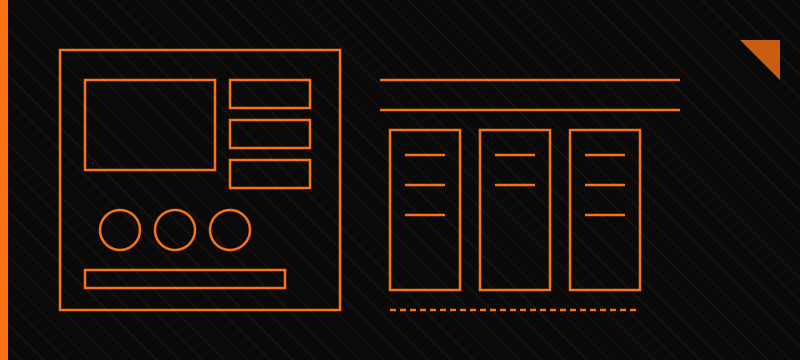
Control panel enclosure with DIN-rail modules and operator devices

Why it matters

A well-designed control panel reduces downtime, simplifies troubleshooting, and supports safe operation over the life of the equipment — whether the enclosure holds a PLC, VFD bank, HMI power, or dense field I/O.

We focus on layout clarity, component selection, and documentation so your panel is buildable, inspectable, and maintainable — not just wired to work once.

Control panel enclosure with DIN-rail modules and operator devices
Panel architecture — enclosure, I/O, and serviceable layout

Our approach

Industrial control panels engineered for clarity, safety, and maintainability.

1

Requirements first

We clarify loads, I/O counts, VFD/motor circuits, HMI mounting, environment, enclosure needs, and standards expectations before drawing a single circuit.

2

Logical layout

Power, control, VFD, and field wiring are organized so panels stay readable as I/O and drives grow.

3

Build-ready packages

Drawings, BOMs, and labeling conventions are prepared so fabrication and commissioning stay aligned.

4

Safety & serviceability

Disconnects, safety circuit space, guarding considerations, and access for maintenance are part of the design conversation.

5

Handoff support

We help bridge design intent to build and startup so questions get answered quickly.

Offerings

Representative ways we can help. Exact scope is defined with you for each engagement.

Panel architecture & schematics

Control and power schematics, I/O maps, VFD circuits, and enclosure layout guidance.

VFD, HMI & I/O layout

Space planning and wiring practices for variable frequency drives, operator HMIs, remote I/O, and dense terminal strips.

Component selection support

Help choosing breakers, terminals, PLCs, HMIs, VFDs, network switches, and interconnects suited to the application.

Retrofit & modernization

Updating legacy panels for clearer wiring, better documentation, new drives, or modern HMI/PLC hardware.

Documentation packages

Labels, wire numbers, and as-built-oriented drawings that stay useful after install.

Standards we design to

Industrial control panels are judged by how safely they can be built, inspected, and serviced. We design to widely used panel and machinery electrical practices — not as a marketing label, but as the baseline for clear layouts, labeling, and documentation on your project.

UL 508A

The primary North American standard for industrial control panels — covering construction, wiring methods, short-circuit ratings, and marking so panels can be built and inspected consistently.

How we follow it: We organize power and control sections, select appropriately rated components, plan wireways and clearances, and document BOMs and ratings so fabricators and inspectors can follow the design intent.

NFPA 70 (NEC)

The National Electrical Code sets wiring methods, grounding, disconnects, and conductor practices that keep installed equipment safe in the field.

How we follow it: We align schematic and layout choices with NEC expectations for overcurrent protection, bonding, and field terminations, and call out install notes where the panel meets facility wiring.

NFPA 79

Electrical Standard for Industrial Machinery — focused on machine-mounted electrical equipment, emergency stops, and supply disconnecting means.

How we follow it: When the panel serves a machine, we reserve space and circuits for e-stops, safety devices, and supply disconnects, and keep control power practices consistent with machinery expectations.

IEC 60204-1

International counterpart for electrical equipment of machines — useful when equipment may ship or be reviewed under IEC/CE expectations.

How we follow it: Where export or IEC alignment matters, we note supply disconnecting means, protective bonding, and documentation practices that map cleanly to IEC 60204-1 concepts.

Wire numbering & documentation

Consistent wire numbers, terminal labels, and as-built drawings are what make a panel maintainable years later — not just workable at startup.

How we follow it: We define labeling conventions, I/O maps, and drawing packages up front so build, commissioning, and future service all speak the same language.
Need a control panel designed with service in mind?

Tell us about your machine, process, or retrofit goals — we can outline a practical design path.

Get a quote